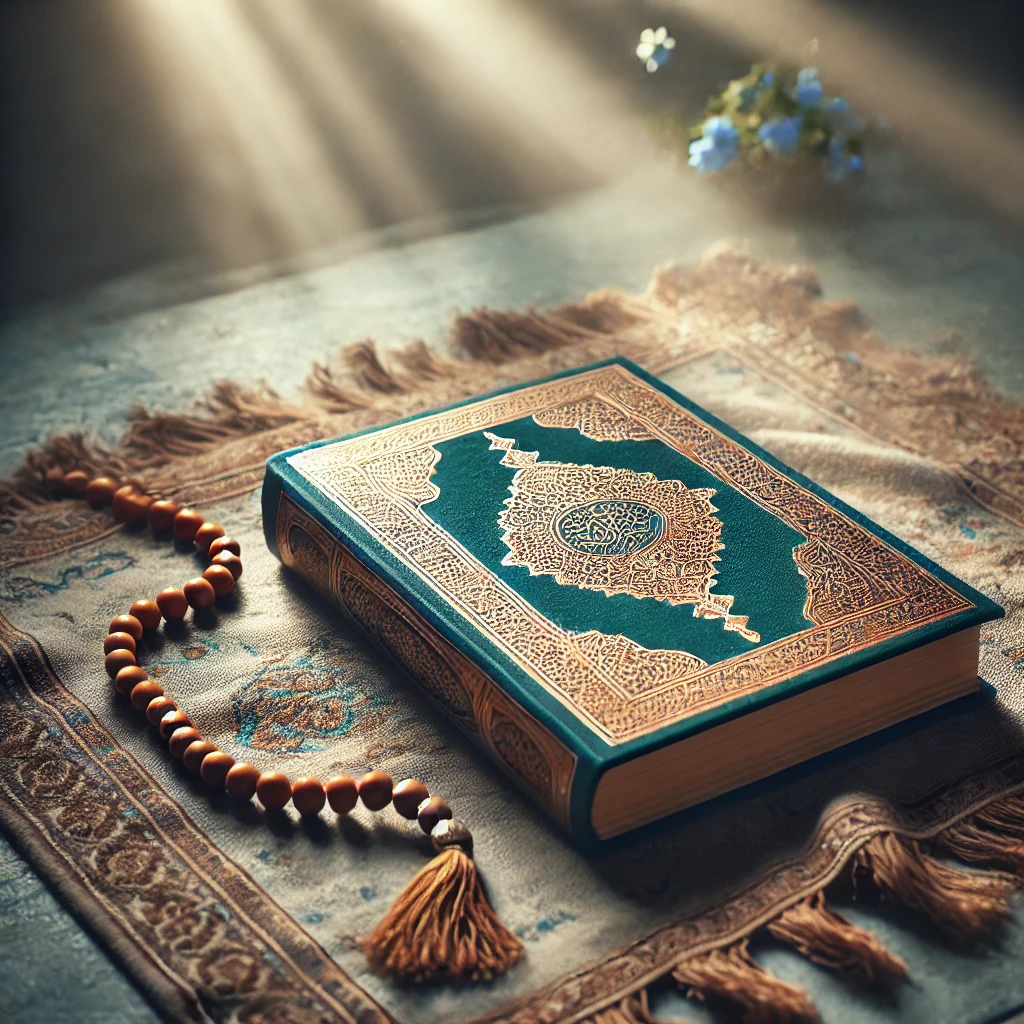
Ten nights. A sleeping bag behind a partition in the mosque, a mushaf, a water bottle, and a phone switched to airplane mode. For many young Muslims in Chicago, Leicester, or Sydney, their first itikaf is the most memorable part of Ramadan. They arrive exhausted by work and study; they leave with a heart that feels rinsed clean.
Itikaf is one of the oldest acts of devotion in Islam, and one of the least practised. This guide explains what it is, how it works, and how Muslims living in the West can make it happen — or capture its spirit when a full itikaf is out of reach.
What Itikaf Is and Why It Matters
Definition in Islamic Tradition
Linguistically, itikaf means to stay devoted to something and remain with it. In Islamic law, it means remaining in a mosque with the intention of worshipping Allah. Allah mentions it in two places. He commanded Ibrahim and Isma’il to purify His House “for those who circle it, those who stay there in devotion, and those who bow and prostrate” (Quran 2:125). In the verses on fasting He says: “And do not have relations with them while you are staying for worship in the mosques” (Quran 2:187).
Itikaf in Ramadan
Aisha reported that the Prophet ﷺ used to observe itikaf in the last ten days of Ramadan until Allah took his soul, and his wives observed itikaf after him (Sahih al-Bukhari 2026 and Sahih Muslim 1172). In the year he passed away, he observed it for twenty days (Sahih al-Bukhari 2044).
The purpose ties directly to Laylat al-Qadr, the night better than a thousand months (Quran 97:3). Believers were told by the Prophet ﷺ to seek it in the odd nights of the last ten (Sahih al-Bukhari 2017). Staying in the mosque through those nights means you are present for it, whichever night it falls on.
Itikaf Across Communities
Practice differs across the Muslim world. In some countries, whole families bring mattresses and meals to the mosque; in others, only a handful of men stay. Western mosques vary as well. Some organise structured programmes with lectures and meals, others simply open a space. Knowing your mosque’s arrangements early makes planning far easier.
The Practice of Itikaf in a Western Context
Spiritual Benefits and Personal Growth
The first thing most people notice is quiet. Western life fills every silence with sound, notifications, and errands. Itikaf removes those layers. What remains is prayer, Quran, dhikr, and dua — and a clear view of your own heart.
The second benefit is habit. After ten days of waking for night prayer and reading several juz a day, many people carry a new rhythm back home.
Community Engagement
Itikaf is personal, but it is not isolated. Praying every prayer in congregation, breaking the fast with others, and sharing the last nights with brothers or sisters builds a bond. For converts and recent immigrants, it can be the first time they feel part of a community.
Key Rulings to Know Before You Go
- The majority of scholars hold that itikaf must take place in a mosque, citing Quran 2:187; many specify a mosque where congregational prayers are held.
- The person leaves only for genuine needs such as using the restroom, ghusl, or bringing food when no one else can. Aisha said the Prophet ﷺ would not enter the house during itikaf except for a human need (Sahih al-Bukhari 2029 and Sahih Muslim 297).
- Marital relations are forbidden during itikaf (Quran 2:187).
- Visits are allowed. Safiyyah visited the Prophet ﷺ while he was in itikaf, and he walked her to the door (Sahih al-Bukhari 2035).
- Scholars differ about the minimum duration. The full sunnah is the last ten days, and many permit shorter periods. Ask a local scholar if you can only manage a few nights.
Itikaf and Online Quran Learning
Using Your Retreat for Serious Study
Itikaf is a natural time to deepen your relationship with the Quran. Many people set a target — finishing a full recitation, memorising a surah, or correcting tajweed errors they have carried for years. A tablet with a learning platform and a pair of headphones fit easily in an itikaf bag.
Short, focused online lessons during itikaf can help, provided they stay within the spirit of devotion. A thirty minute session with a tutor to review your recitation, followed by hours of independent practice, suits the setting well. Keep social media, news, and work email off the device.
When You Cannot Stay in the Mosque
Can itikaf be done at home? The majority of scholars say no, since Allah linked itikaf to mosques. A mother of young children, a nurse on night shifts, or someone without a nearby mosque that hosts itikaf still has options. They cannot call it itikaf, but they can seek the same goals at home: a quiet corner, a planned schedule of prayer and Quran, reduced screen time, and extra effort in the odd nights. That devotion is rewarded, and scholars encourage it.
Online classes help here too. A weekly session in the last ten nights, a group recitation over video, or a scheduled tafsir lesson gives structure to home worship.
Finding Female Tutors for Online Quran Learning
Why It Matters
Women make up half of Western Muslim communities, and many prefer to learn from women. That preference is common among mothers, converts, and older sisters returning to study after years away. Ijaazah’s Azhari certified female tutors teach recitation, tajweed, and meaning in private sessions.
Time Zones and Ramadan Schedules
Ramadan shifts daily rhythms. A tutor in a different country may be fasting different hours from you. Ijaazah books lessons in your local time and adapts to Ramadan patterns — mid morning, after Taraweeh, or before suhoor for early risers.
Adapting Itikaf Practices for Family Life
Itikaf for Families
Families cannot all stay in the mosque together, but they can support one another. One parent may observe itikaf for the full ten days while the other handles the home, then the roles switch in a later year. Some families send a teenage son for a few nights with his father. Wives of the Prophet ﷺ observed itikaf in the mosque, and they pitched tents for privacy (Sahih al-Bukhari 2033), which shows that women’s itikaf has a clear precedent. Sisters should check whether their local mosque has a suitable women’s area and arrangements.
Balancing Work, Family, and Worship
Most Western workers cannot take ten days off. Some take a week of annual leave, others sleep in the mosque and go to work during the day — a situation scholars discuss, since leaving for work is not a basic need. Ask a scholar before settling on an arrangement. Planning months ahead makes leave requests easier.
A Sacred Space at Home
For those at home in the last ten nights, create a space that signals worship. Use a prayer mat, a small shelf for the mushaf and a dua book, soft light, and no television. Children can decorate a family “last ten nights” chart that tracks recitation and dua. Keep family traditions, such as a special suhoor, without letting them crowd out worship.
Challenges and Solutions
Loneliness in the Retreat
Some people feel isolated in itikaf, especially converts or those far from family. Pair up with a friend who is also staying, join the mosque’s scheduled programme, and remember that the loneliness is often temporary. The heart settles after the second or third day.
Community in a Non Muslim Environment
Muslims in small towns may have no mosque offering itikaf. Contacting a larger mosque in a nearby city, or travelling for the last few nights, can solve this. For those who cannot travel, online circles offer connection to the wider Muslim community.
Staying Connected Without Distraction
Tell family and colleagues in advance that you will be less reachable. Set clear times to check messages, and hand urgent matters to someone else.
Questions Readers Ask
What Is Itikaf and How Is It Performed?
Staying in a mosque with the intention of worship, leaving only for real needs, and filling the time with prayer, Quran, dhikr, and dua.
Can Itikaf Be Done at Home?
The majority of scholars say it requires a mosque. Home worship in the last ten nights is still highly encouraged.
What Are Its Benefits?
Closeness to Allah, the chance to catch Laylat al-Qadr, renewed habits, and a strengthened bond with the Quran.
The Retreat That Returns You Home
Itikaf is a temporary departure that sends you back better. Plan for it this year, even if only for a few nights. If a mosque stay is not possible, build a pocket of devotion at home, and ask Allah to accept your effort.
Carry the Spirit of Itikaf Forward
Sadaqah Jariyah Share
A friend may be thinking about itikaf for the first time. Share this article with them. Encouraging someone toward the last ten nights brings you a share in their reward.
The 5 Minute Challenge
Take five minutes today to write your plan for the last ten nights: where you will be, what you will recite, and one dua you will repeat each night.
Take the Next Step
Book a Free Trial to prepare your recitation before Ramadan, or Take the Test Me Assessment to set a realistic goal for the last ten nights.