Start with confidence, not pressure
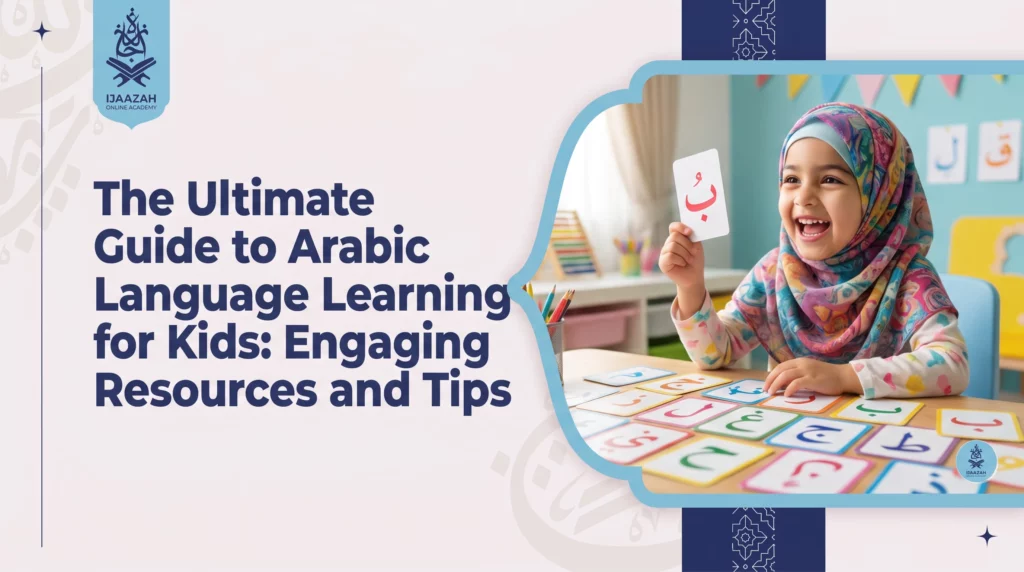
Children learn languages best when they feel safe making mistakes. Begin with short lessons that use listening, repeating, pictures, games, and familiar words. The goal is not to make every session feel like school; it is to build curiosity and comfort.
Set age-appropriate goals
A young beginner may learn letter shapes, sounds, greetings, or a small set of family words. An older child may read short sentences, write simple words, or hold a guided conversation. Ask the teacher to state one clear goal for each month.
Make practice easy at home
Use a five- to ten-minute routine after class: repeat one sound, read one word, listen to one short clip, or label a familiar object. Praise effort and consistency rather than comparing children with siblings or classmates.
Choose the right teacher
Look for patience, child-friendly teaching experience, regular parent updates, and a lesson length that suits your child’s attention span. A good teacher makes progress visible without turning learning into pressure.
A practical next step
Choose one small action from this guide and repeat it for the next week. Write down the question that remains, then bring it to a qualified teacher so your learning stays connected to sound guidance.
The best progress comes from a clear level, a stable routine, and feedback you can apply. Let your next lesson give you a specific target rather than another long list of information.
Ready to start?
Do not leave the Arabic language for kids as another article you read and forget. Visit Ijaazah’s Arabic Language Courses page, choose the level that fits you, and book your free assessment today.
You will get a clear starting point, a course recommendation, and a practical plan to begin with confidence.